
Website Redesign or SEO Fixes First? A Guide for Local Service Businesses
Start with SEO fixes unless your current site is actively costing you leads. This guide helps local service business owners decide whether weak visibility or weak conversion is the real problem before paying for a redesign.
What a Northwest Arkansas Contractor Website Really Costs in 2026
**A Northwest Arkansas contractor website in 2026 usually costs between $1,500 and $15,000 up front**, with cheaper starter sites below that and lead-generation builds above it. This breakdown explains what drives the price, where cheap gets expensive, and the monthly costs contractors forget.

Who Owns the Code, Logins, and Data? Settle This Before You Sign
**Settle code ownership, account control, and data exit rights before you sign.** Business owners hiring a developer should not rely on vague promises like “you own everything” when the real risk is getting locked out of critical systems.
Get posts like these in your inbox
Join the early readers of Thought Box. No spam, unsubscribe anytime.
How much business automation costs for small companies in NW Arkansas
Business automation for small companies in NW Arkansas usually costs $200-$2,500 per month for off-the-shelf tools or $3,000-$25,000+ for custom work. This breakdown explains what drives the number, where cheap tools get expensive, and which ongoing costs business owners forget.
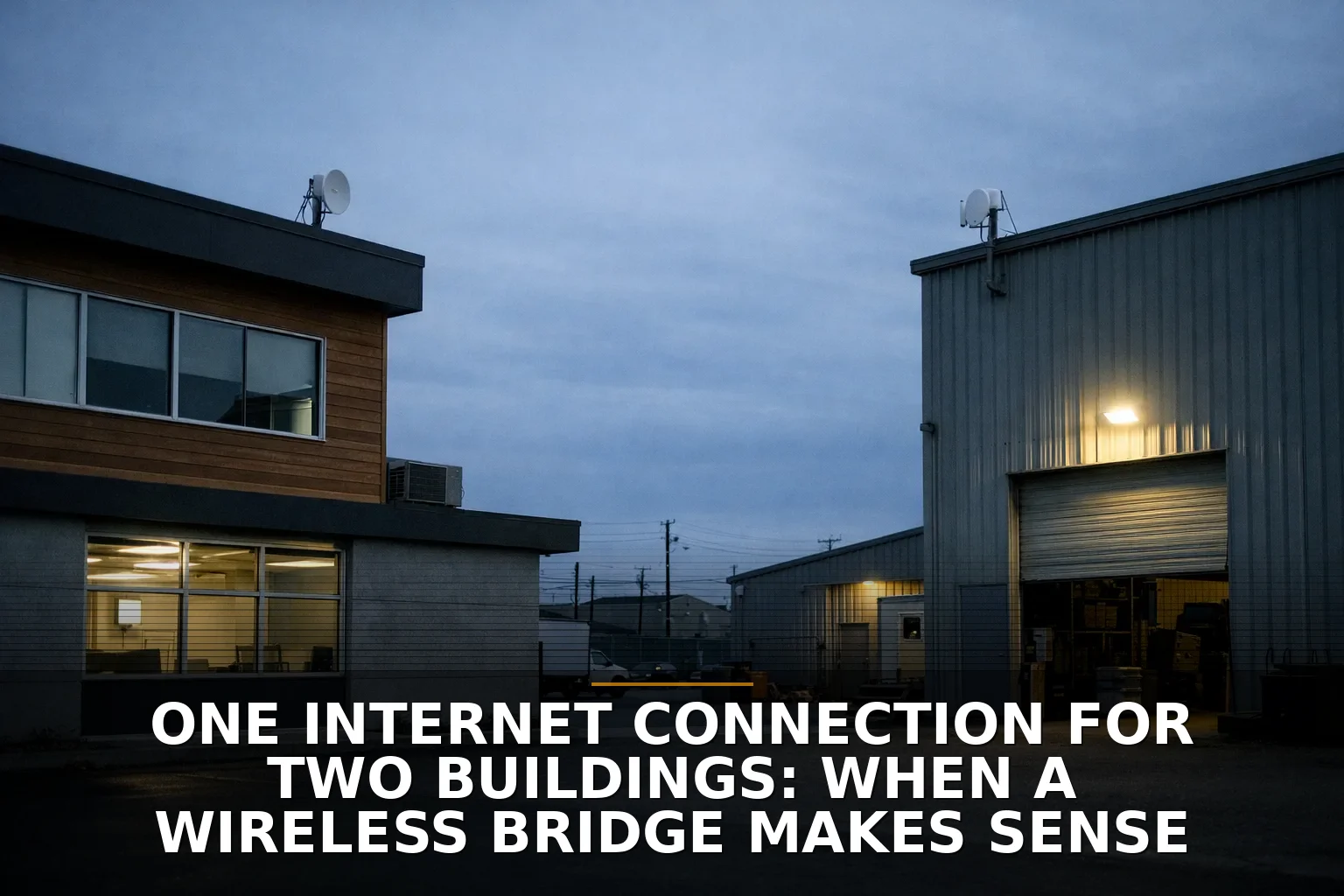
One internet connection for two buildings: when a wireless bridge makes sense
A wireless bridge makes sense when two buildings are part of the same business, have clear line of sight, and trenching fiber is harder than the problem deserves. This guide helps business owners decide when to use a bridge, when to run fiber, and when not to share one connection at all.
Separate systems vs software integration: which stops double entry first?
Software integration usually stops double entry faster than keeping separate systems manual, as long as you set a clear source of truth for your data. This comparison helps business owners decide between manual separate tools, integrated apps, and an all-in-one system.
Get posts like these in your inbox
Join the early readers of Thought Box. No spam, unsubscribe anytime.
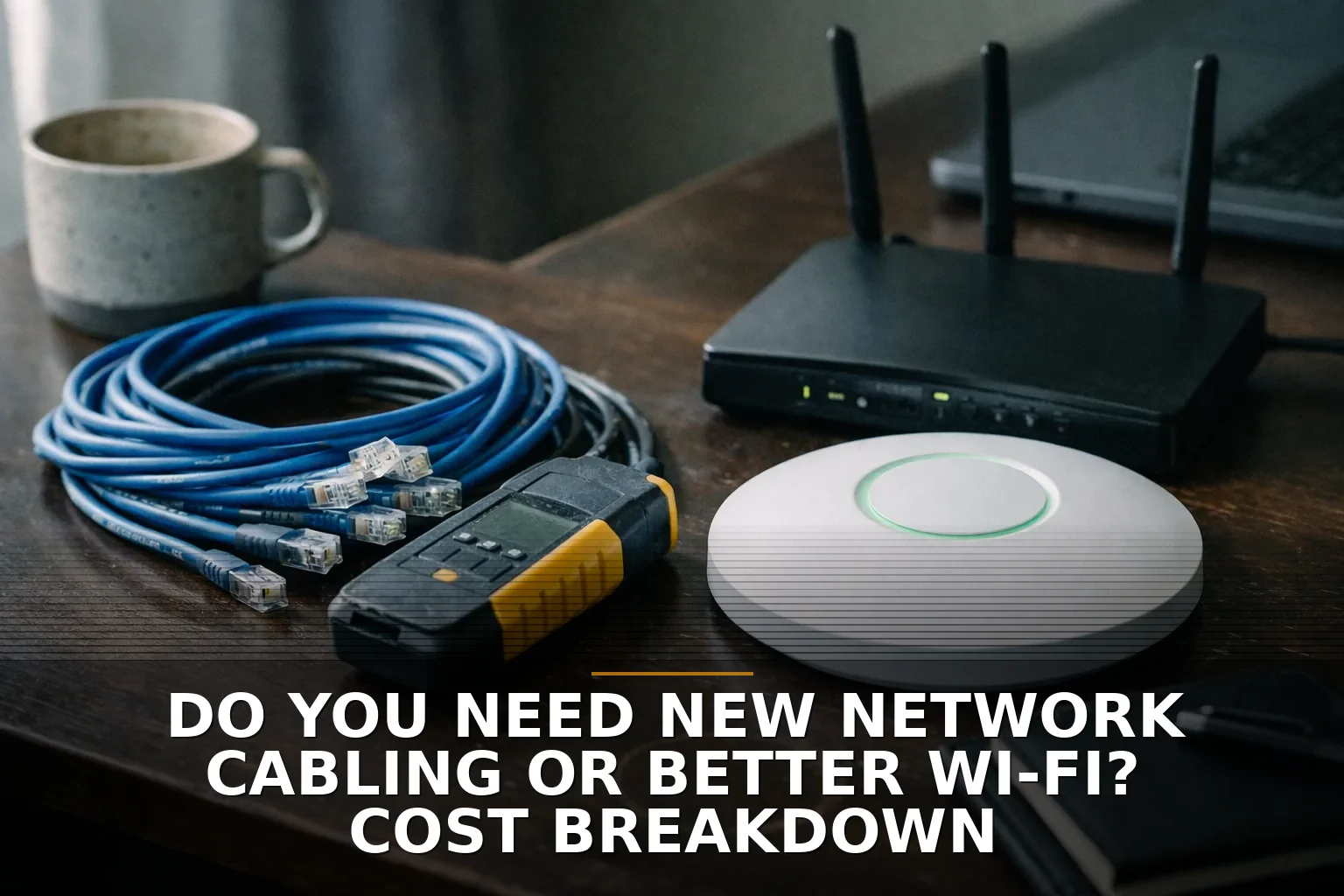
Do You Need New Network Cabling or Better Wi-Fi? Cost Breakdown
Better Wi‑Fi usually costs about $300-$1,500, while new network cabling often runs $200-$500 per drop or $2,000-$10,000+ for a small business project. This guide breaks down when each option makes sense, where cheap fixes get expensive, and the ongoing costs owners forget.
WordPress or a Custom Website: Which One Should Your Business Pay For?
Most small businesses should pay for WordPress, not a fully custom website. This guide shows business owners when WordPress is the smart buy, when custom is worth it, and which factors actually decide the cost.

No-Code App or Custom Software: Which Choice Holds Up as You Grow?
**Start with no-code for simple internal tools, but choose custom software when the app becomes central to operations or customer experience.** This comparison breaks down cost, fit, trade-offs, and which option actually holds up as your business grows.