What a Small Business Website Maintenance Plan Costs in NW Arkansas
A small business website maintenance plan in NW Arkansas usually costs $75 to $400 per month, with more complex ecommerce or booking sites running $400 to $1,200+. This guide breaks down what’s included, what drives the price, and where cheap plans get expensive.
Do You Need a Website Rebuild or Just New Features? Cost Guide
If your site is maintainable and your main customer paths still work, add targeted features instead of rebuilding. Business owners should rebuild only when speed, mobile UX, technical debt, or accessibility problems are structural and making every change expensive.
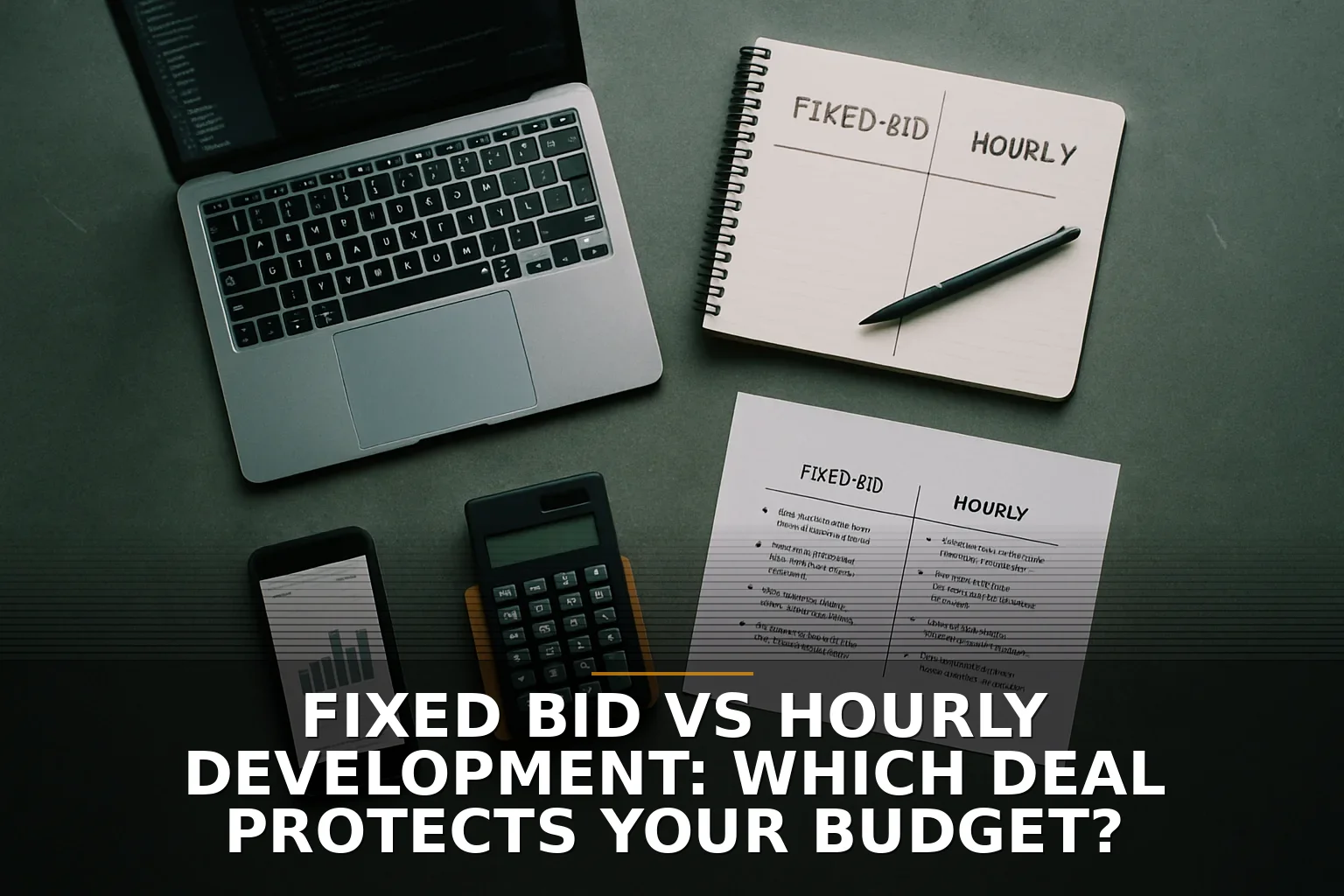
Fixed Bid vs Hourly Development: Which Deal Protects Your Budget?
**Fixed bid protects your budget when scope is stable; hourly protects it better when requirements will change.** This comparison helps business owners choose the software contract model that reduces surprise costs, change-order fights, and wasted development spend.
Get posts like these in your inbox
Join the early readers of Thought Box. No spam, unsubscribe anytime.

How Much Should a Small Business Budget for Custom Software in 2026?
**Most small businesses should budget at least $15,000 to $60,000 for useful custom software in 2026, and many should start with less custom than they think.** This article breaks down what drives the cost, what to reserve for maintenance, and when SaaS is the smarter buy.
The Real Cost of Hiring a Software Developer: Build Price vs Ongoing Costs
**Hiring a software developer usually costs $8,000-$75,000+ for a project or $120,000-$220,000+ per year for a full-time in-house hire once real employer costs are included.** This breakdown shows what drives the price, where cheap quotes get expensive, and which ongoing costs business owners forget.
Before You Hire a Developer in NW Arkansas, Map the Handoff Process
Before you hire a developer in Northwest Arkansas, map the handoff process first. Business owners who define decision rights, approvals, and information ownership before development starts avoid the delays and rework that sink small software projects.
Get posts like these in your inbox
Join the early readers of Thought Box. No spam, unsubscribe anytime.
What to ask before hiring a developer for your website, app, or automation
**Before hiring a developer, first decide whether you actually need custom work or a simpler off-the-shelf fix.** This guide helps business owners avoid expensive mistakes by focusing on scope, ownership, maintenance, testing, and the right type of solution.

Template Website or Custom Build? The Better Choice for Your Business
For most business owners, a template website is the better choice. Choose custom only if your site needs unusual workflows, deep integrations, or software-like features that standard platforms can’t handle cleanly.
Ozarks Business Owners: What to Decide Before You Pay for Custom Software
Before paying for custom software, decide the business process, owner, integrations, and maintenance plan first. This straight-talk guide helps Ozarks business owners avoid buying expensive code before they know what they actually need.