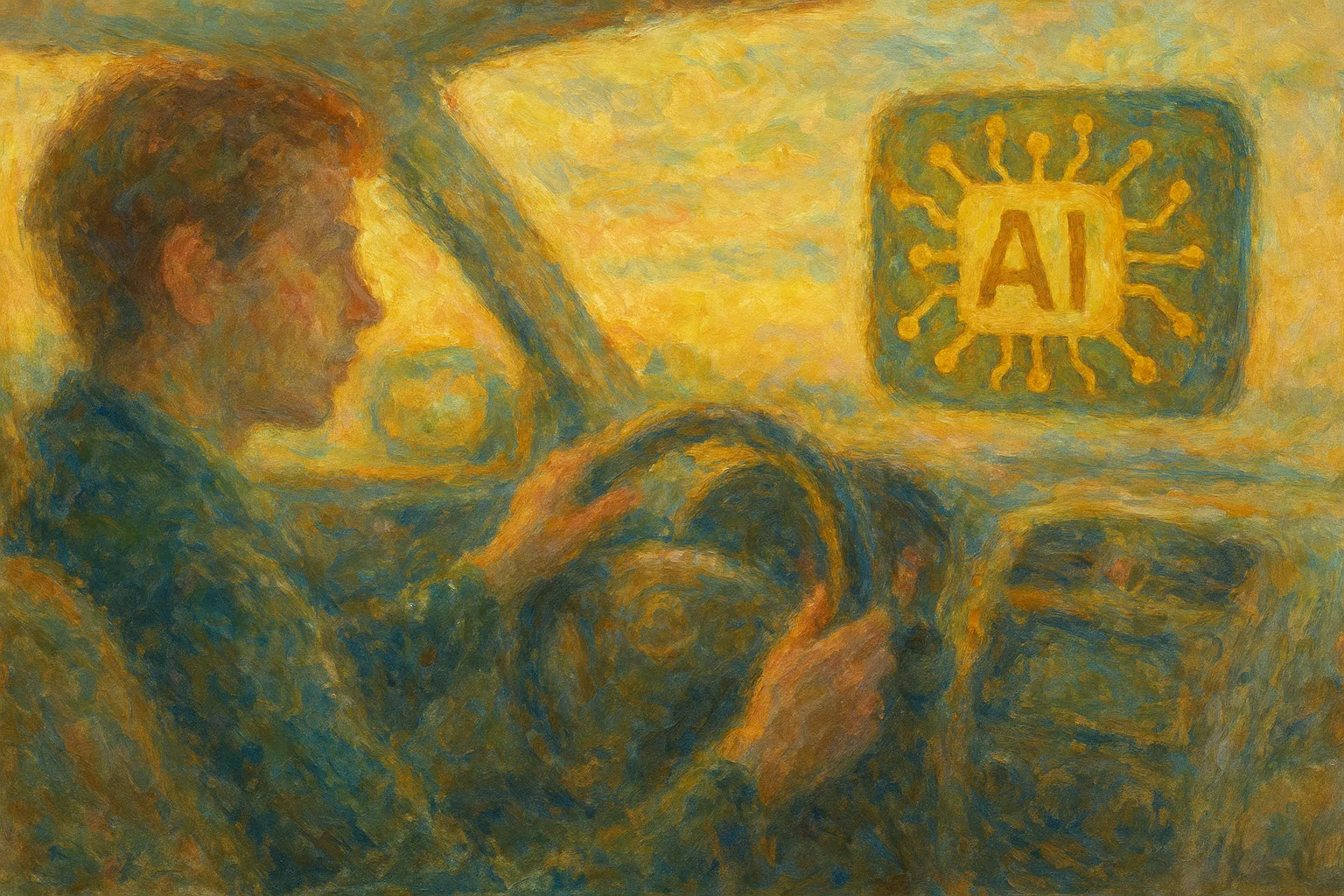
In the bustling bazaar of technological advancement, artificial intelligence is the mysterious vendor selling shiny new promises. It's all very exciting until you realize your wallet is missing. So, when should we trust AI to drive, literally or metaphorically?
To give this some clarity, let's consider the rise of smart algorithms in our everyday lives. From chatbots that schedule your meetings to cars that park themselves, AI is more common than pigeons in a park. But just because it can, doesn't mean it always should.
The key is discerning where AI excels and where it might take a wrong turn. Machines are aces at processing vast amounts of data faster than you can say "quantum computing." They can analyze trends and predict outcomes with a precision that makes human error blush. However, when it comes to nuanced decision-making, AI isn't quite ready for its close-up. Emotional intelligence, ethical considerations, and context-specific judgments are still firmly in the human domain. I explored this creative side of AI when I asked it to recommend a song to start my day, and the results were surprisingly human.
Think of AI like a sous chef in a busy kitchen. It's fantastic at chopping, dicing, and sautéing with mechanical precision, but when it comes to tasting the soup, only a human palate will do. So, while AI can streamline operations and offer insights, the final decision-making should often rest with humans.
From my perspective, it's all about collaboration. Humans and AI working together can achieve great feats, like a buddy cop movie where one is the brains and the other is the brawn. We just have to remember who plays which role.
As you sip your morning coffee and ponder this human-machine partnership, remember that discernment is key. Let machines handle the repetitive and data-heavy tasks, while you focus on the creative and complex. And if you want to think more about how algorithms quietly shape our business lives, that's worth exploring too.
I drop one of these every single day. Subscribe and you won't have to come looking for it.
What this means for your business. AI is great at narrow, repeatable jobs and terrible at open-ended judgment calls — which is exactly the question every small business owner should ask before adopting an AI tool. Where in your operation is the work repetitive enough to automate, and where does it still need a human?
Good business automation lives in the first bucket: send the reminder, generate the report, route the lead, file the receipt. Bad automation pretends to live in the second bucket — replacing the judgment call about which customer to prioritize, which scope to take, which problem to escalate — and ends up causing more cleanup than it saved. We help local businesses find the right line and build only on the safe side of it.

Be the first to share your thoughts.