How to compare software proposals without missing costly red flags
**Compare software proposals on a normalized checklist, not just price.** This decision guide shows business owners how to spot costly red flags in scope, support, security, and exit terms before signing with a developer or vendor.

Fixed bid vs hourly development: which contract protects your budget?
Hourly usually protects your budget better when requirements are still changing, while fixed bid works best for tightly defined projects. This comparison helps business owners choose the contract type that reduces surprises before hiring a developer.
Dead zones or slow Wi-Fi? How to tell which fix your building needs
Dead zones need a coverage fix; slow Wi-Fi with decent signal needs a performance fix. This guide helps business and property owners tell whether they need better access point placement, cabling, or a true Wi-Fi upgrade.
Get posts like these in your inbox
Join the early readers of Thought Box. No spam, unsubscribe anytime.

DIY Website Builder or Custom Site? Real Costs for Small Businesses
**DIY website builders usually cost about $200-$2,000 upfront, while custom small-business websites typically run $2,500-$15,000+ depending on features.** This breakdown explains what drives the price, where cheap sites get expensive, and which ongoing costs business owners forget.
A Custom Inventory System or Spreadsheets: Which One Should You Keep?
Keep spreadsheets only while inventory is simple and tightly controlled; once multiple people, channels, or systems touch stock, move to a real inventory system. This straight-talk guide helps business owners decide when to keep the sheet, when to buy software, and when custom is actually worth it.
Website or Web App? The Cost Difference and When Each One Wins
**Most small-business websites cost $349 to $8,000, while real web apps usually start around $15,000 and climb fast.** This breakdown explains what drives the gap, where cheap options get expensive, and when each one is the right buy.
Get posts like these in your inbox
Join the early readers of Thought Box. No spam, unsubscribe anytime.
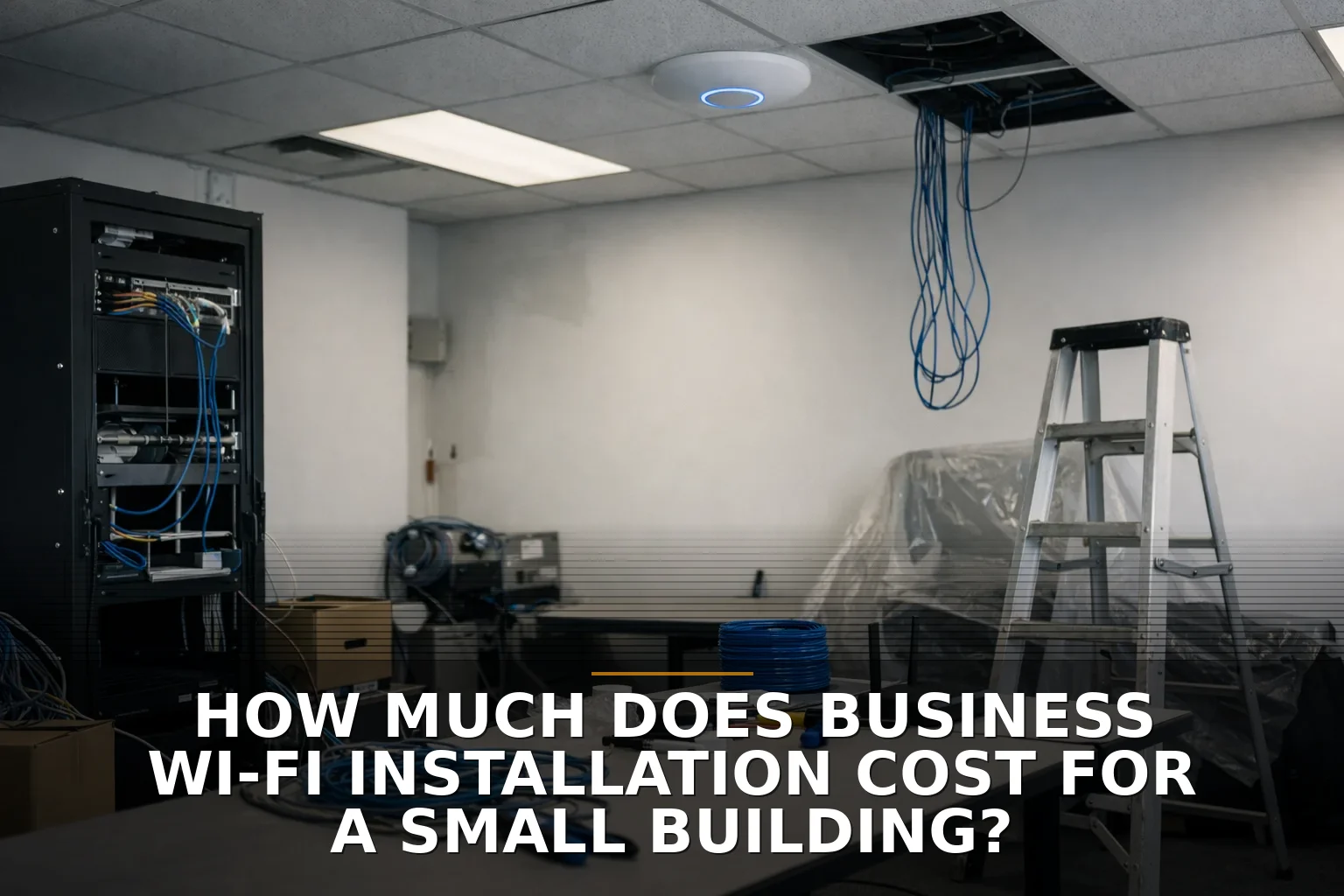
How Much Does Business Wi-Fi Installation Cost for a Small Building?
Business Wi-Fi installation for a small building usually costs $1,500 to $8,000, with most small businesses landing around $2,500 to $5,500. This breakdown explains what drives the price, where cheap installs get expensive, and the ongoing costs owners forget.
What It Costs to Automate Double Entry Between Your Business Systems
Most small businesses pay $1,500 to $25,000 to automate double entry between business systems, with complex two-way integrations running higher. This breakdown explains what drives the number, where cheap automations get expensive, and the ongoing costs owners forget.

Custom CRM or Off-the-Shelf? What NW Arkansas Businesses Should Choose
Most NW Arkansas businesses should buy an off-the-shelf CRM first and only build custom if their customer workflow is unusual and central to how they operate. This guide walks through the four factors that decide whether to buy, build, or take the middle path.