How to hire a NW Arkansas web developer without paying for the wrong thing
A practical guide for Northwest Arkansas business owners on how to hire a web developer, compare proposals, avoid vendor lock-in, and pay for the right kind of website work.
Why Your Website Is Slow: What’s Happening and What It Costs You
A slow website is not just a technical annoyance. It affects search visibility, ad efficiency, conversions, and customer trust—and business owners should understand what’s actually causing it.
Myth: A New Website Will Fix a Broken Sales Process
A new website can help, but it won't fix slow follow-up, weak qualification, or a messy sales handoff. This myth-buster explains how business owners can tell whether they have a traffic problem, conversion problem, or sales-process problem.
Get posts like these in your inbox
Join the early readers of Thought Box. No spam, unsubscribe anytime.
How to Know if Your Business Needs Custom Software or Better SOPs
Not every operational headache needs custom software. Learn the practical test for whether your business should fix its SOPs first or invest in software.
Before You Pay for a Client Portal, Try This Simpler Option
Before you pay for a client portal, make sure you actually need one. For many small businesses, better process controls and tools you already have are the smarter first move.
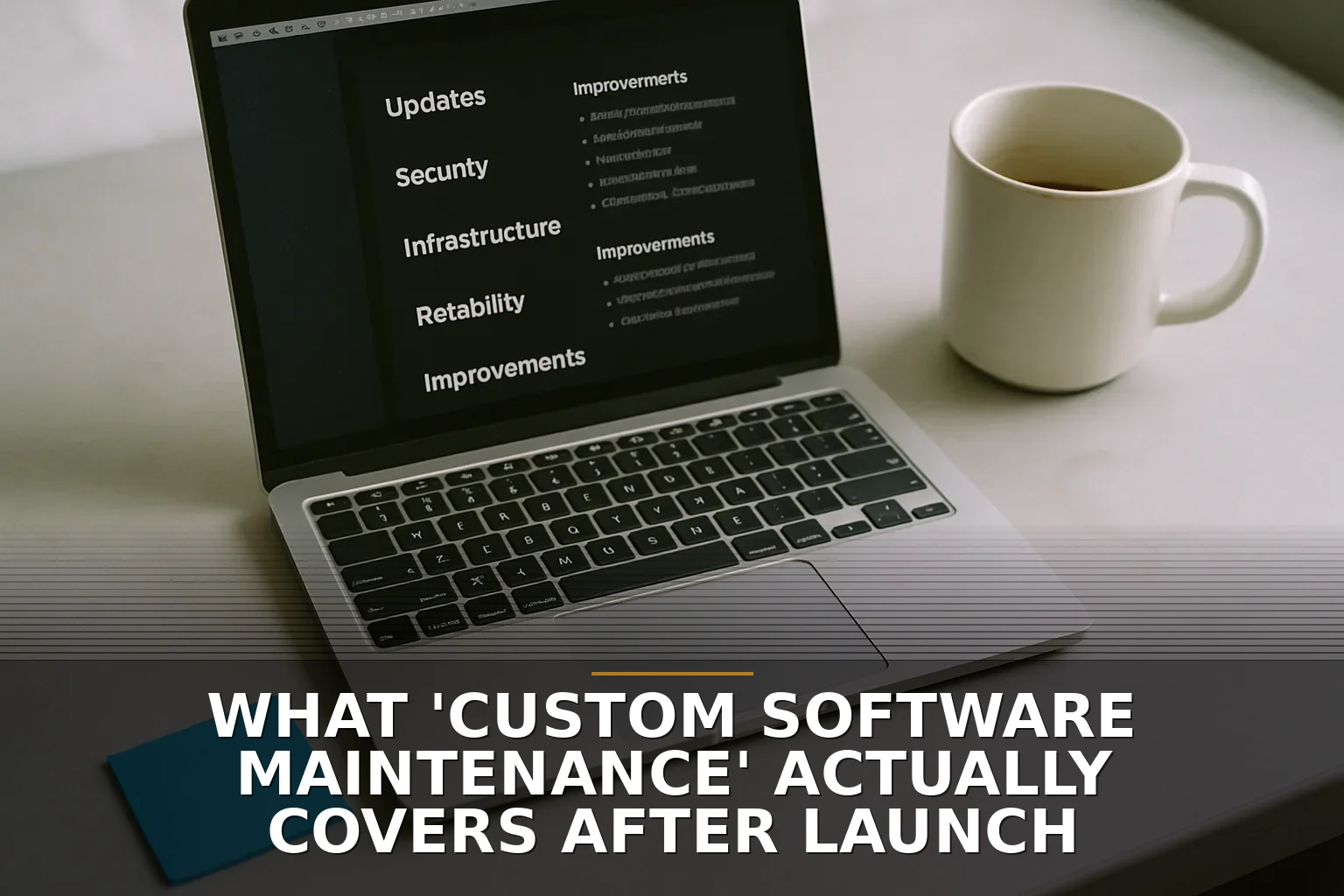
What 'Custom Software Maintenance' Actually Covers After Launch
Custom software maintenance covers far more than bug fixes after launch. This explainer breaks down what business owners are really paying for: updates, security, infrastructure, reliability, and ongoing improvements.
Get posts like these in your inbox
Join the early readers of Thought Box. No spam, unsubscribe anytime.
Myth: Automating a Bad Process Will Still Save Your Business Time
Many small business owners assume automation will fix operational headaches by itself. This article explains why automating a broken workflow usually makes problems faster, not better, and what to fix first.
What a Small Business Website Should Cost in 2026
Wondering what a small business website should cost in 2026? This straight-talk guide breaks down what business owners should actually pay, what drives the price, and where cheap websites get expensive.
Before You Buy CRM Software, Make Sure You Actually Have a CRM Problem
Before investing in CRM software, make sure you actually have a CRM problem—not a workflow, follow-up, or data discipline problem. This explainer helps small business owners diagnose the real issue before buying another tool.