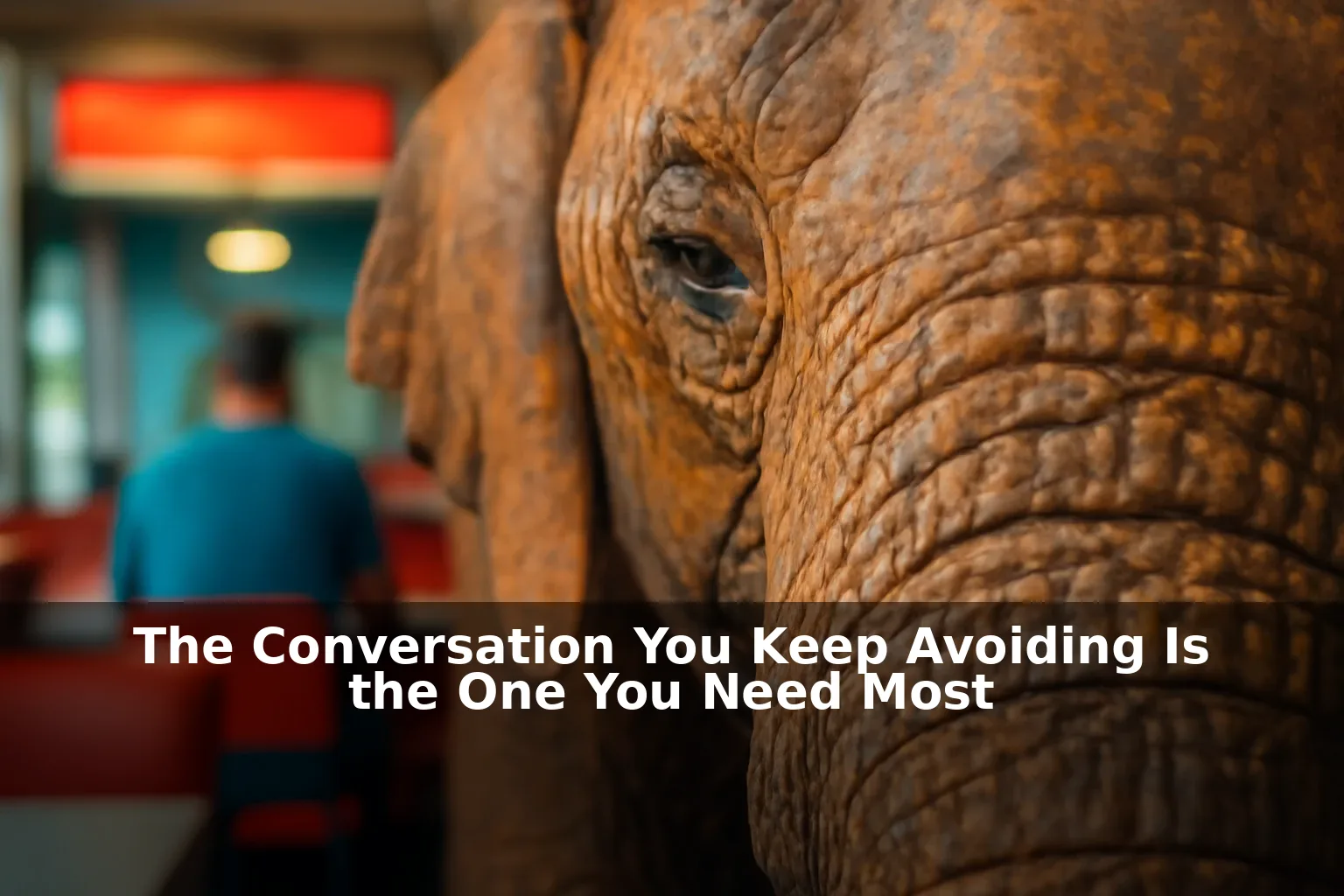
You've convinced yourself that avoiding a difficult conversation is an act of self-preservation. But here's the kicker: it's the very conversation you most need to have. The elephant in the room isn't going anywhere, and your silence is only feeding it peanuts.
Consider this: how often have you sidestepped a tough chat because it seemed easier to ignore the discomfort? Maybe it's with a colleague over a project gone awry or a friend whose behavior has crossed a line. These are the conversations that, if tackled, can transform a stagnant relationship or a dysfunctional team into something more profound and productive.
Avoidance might feel like the safer path, cloaked in the illusion of maintaining peace. But let me put it this way: avoiding isn't peace; it's a delay in progress. Stripped down, avoidance is procrastination dressed up as diplomacy. And if you've ever wondered how procrastination itself can teach you about success, the pattern runs deeper than you think.
Now, you might be thinking that confrontation risks conflict. True, but consider the risk of not having the conversation. Misunderstandings solidify, resentments creep in, and opportunities for growth slip through your fingers. The real issue is that you miss out on the clarity and trust that only transparency can bring.
Here's what most people miss: difficult conversations aren't inherently negative. They're opportunities for growth, both personally and professionally. They test your courage and your capacity for empathy. When approached thoughtfully, they can dismantle barriers and build bridges instead. There's real power in uncomfortable honesty once you stop treating it as a threat.
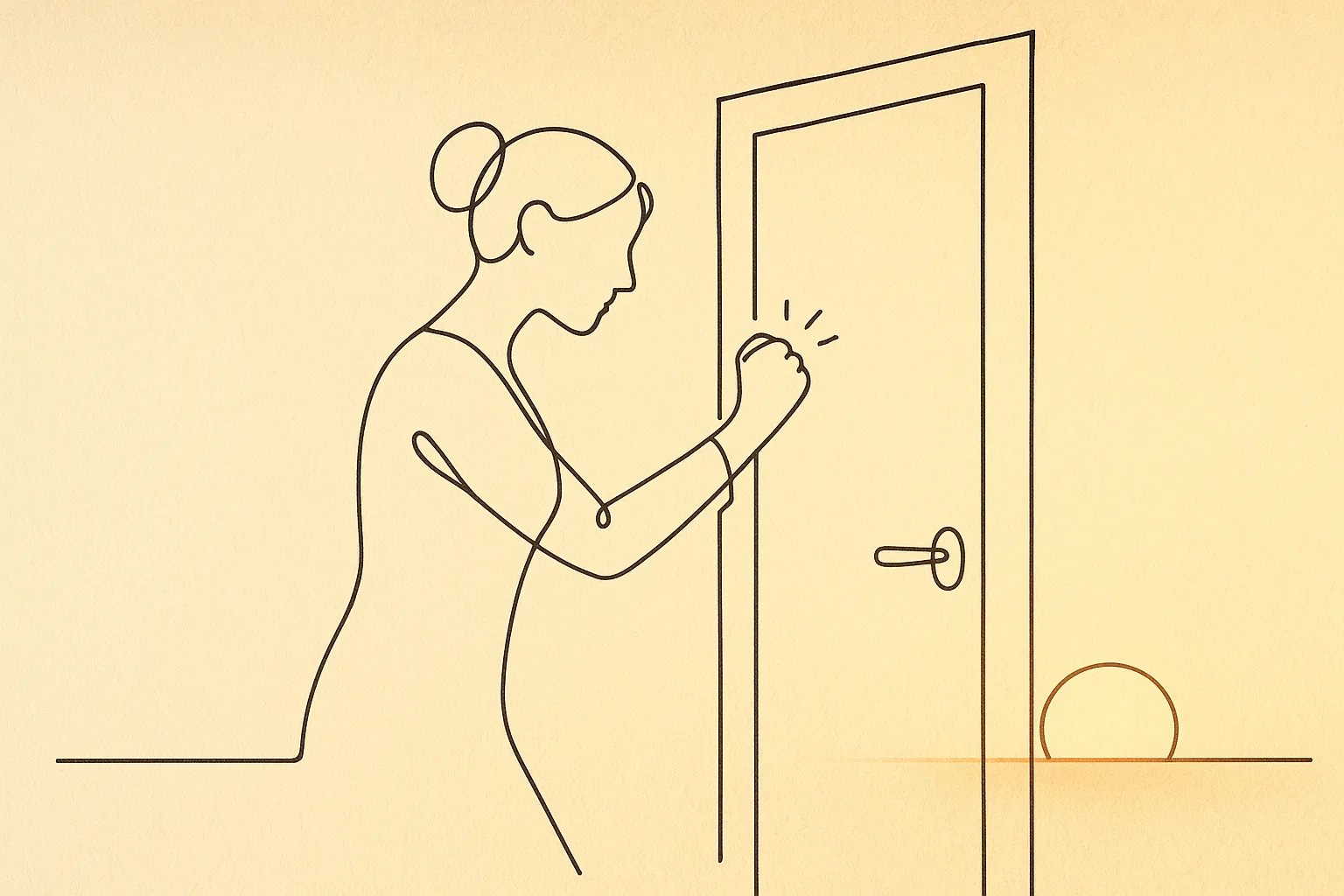
The practical lesson here is simple: next time you're tempted to let a conversation slide, recognize it as a chance to deepen understanding and authenticity. The conversations you dodge are often the ones that hold the keys to change. And sometimes, the direct approach of knocking on someone's door is exactly what the moment demands.
So, the next time you're on the brink of avoidance, stop. Lean into the discomfort. Your future self—standing on the other side of this conversation—will thank you.
Don't just sit on this. Drop a comment if you've lived this.
Be the first to share your thoughts.